Haul in a Day’s Work
The mistake we see most is assuming weight is the only thing that matters. Don’t get us wrong, it matters plenty, but so do height, length, access, weather, and the last few feet at the drop-off spot. In our city, where a clear road can turn into a traffic jam in ten minutes, the route gets just as much attention as the load. An Orlando heavy transport call often starts with a simple line: “We need this moved today.” Fair enough. But before we send the transport truck, we need to know what it weighs, where it is sitting, how much room we have, and what kind of road stands between pickup and drop-off.
Because a 40,000-pound excavator on flat ground is a different job than a loaded box truck nosed into soft grass after a storm. Orlando has tight warehouse lots, busy roads, hotel construction sites, and sudden rain that changes the ground under the tires. All these factors we need to consider.
Weight, Space, and Access Decide the Plan
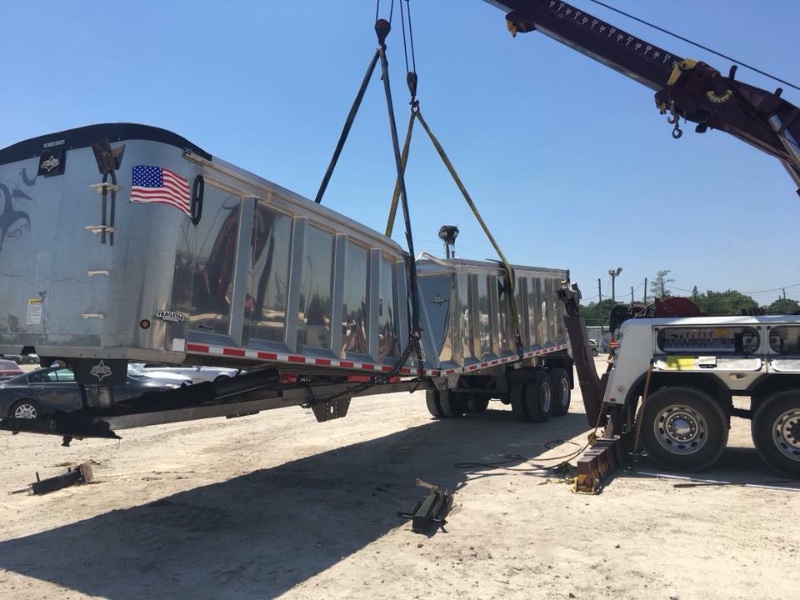
Heavy transport is not about grabbing a bigger truck, load and go. We wish it was that easy! The weight has to match the wrecker, trailer, attachment points, and route. If the load is too tall for a bridge or too wide for a turn near downtown, that becomes a problem before we even hook up.
We also look at the space around the vehicle or machine. Can we back in straight? Is there room to turn? Are there parked cars, low trees, fences, loading docks, or soft shoulders in the way? A job that looks simple on the phone can change once we see a narrow gate or a sloped lot with standing water.
Route Planning Is a Bigger Deal Than People Think
But with every heavy transport, the route can matter as much as the tow: we check for low clearances, tight intersections, construction zones, and roads where traffic backs up hard during certain hours. Around I-4, Colonial Drive, John Young Parkway, and the tourist corridor, timing can save a lot of trouble.
The Details We Want Before Dispatch
For Orlando heavy transport, better information up front helps everyone. Photos are useful, especially wide shots that show the whole area. A close-up of a tire or bumper helps, but it does not show us the slope, the fence, or the loading zone blocked by pallets.
A few details we need to ask for on heavy transport calls:
- Approximate weight of the vehicle or equipment
- Length, width, and height if known
- Pickup and drop-off addresses
- Surface type, such as asphalt, dirt, gravel, or grass
- Any known damage or locked brakes
- Room for a large truck to enter and turn around
Weather and Ground Conditions Can Change the Job
Orlando heavy transport can get more complicated after heavy rain. A loaded truck parked on grass near a jobsite may sink just enough that pulling it straight out could cause more damage. Heat matters too. On long moves, tires, brakes, straps, chains, and the load itself all need attention.
Permits, Escorts, and Timing Are Part of the Work
Some Orlando heavy transport jobs need extra planning because of size, weight, or road rules. Oversized loads may need permits or escort vehicles, and certain roads may not be a good fit during school traffic, event traffic, or rush hour. Around Orlando, a theme park event or a wreck on I-4 can throw off a route fast. We also think about the drop-off before we load. Is someone there to receive it? Can the property handle the weight? Is the unloading area clear? A lot of delays happen at the end of the trip, not the beginning, because nobody checked the final 100 feet.
Orlando Heavy Transport by Johnson’s Wrecker Service: In It For the Long Haul
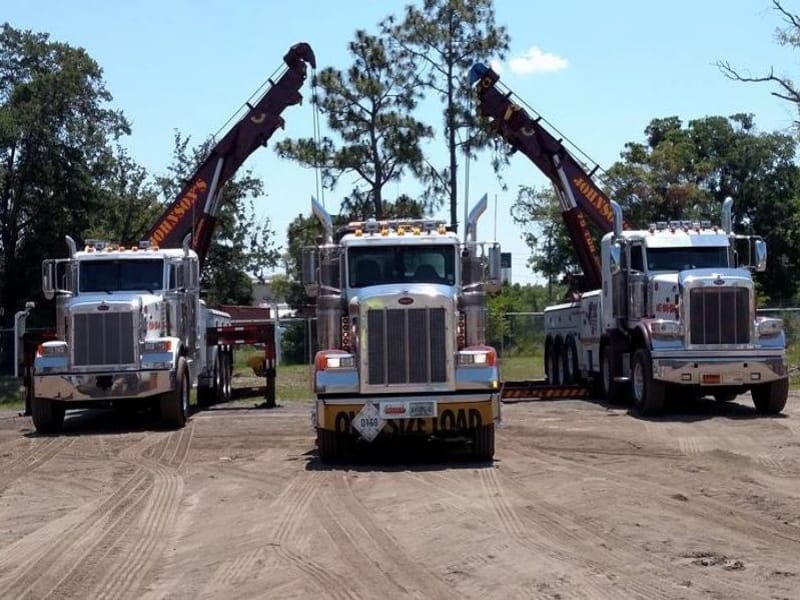
At Johnson’s Wrecker Service, Orlando heavy transport calls can involve construction equipment, heavy trucks, buses, machinery, and commercial vehicles that need more planning than a standard tow. We look at the weight, access, route, weather, and jobsite layout before deciding how to move it.
We have worked around warehouse docks, roadside breakdowns, apartment construction sites, and commercial lots where space is tight and traffic keeps moving around us. Orlando heavy transport is usually a mix of road knowledge, equipment choice, and patience. Some days the hardest part is the tow itself, and some days it is getting a large truck turned around behind a shopping plaza on wet pavement.
FAQs
How do towing crews know what size truck to send?
They usually start with the weight, length, height, and condition of the vehicle or equipment. Photos help too, especially wide shots of the pickup area. If the load has locked wheels, damage, or no steering, that changes the plan.
What information should I have ready before calling for a large tow?
Have the pickup address, drop-off address, vehicle type, approximate weight, and any access issues ready. Mention gates, slopes, soft ground, low limbs, or blocked driveways. Small details can change what equipment gets sent.
Can heavy towing damage pavement or property?
It can if the setup is rushed or the ground is weak. Crews look at where the truck will sit, how the load will be pulled, and what surface is underneath. Fresh asphalt, wet grass, and thin concrete need extra care.
Do oversized moves always need permits?
Not always. It depends on the load size, weight, route, and local road rules. If the load is too wide, too tall, or too heavy for normal travel, permits or escorts may be required.
Why does a heavy tow sometimes take longer than expected?
The slowest part may be setup, not the actual move. Crews may need to clear space, check tie-down points, adjust angles, or wait for traffic to break. Rushing that part can create bigger problems.
Can a disabled commercial truck be moved if it will not roll?
Yes, but it may need extra equipment and more setup time. Locked brakes, damaged axles, or missing wheels change how the truck gets loaded or pulled. The crew needs to know that before arriving.