Starting the Paper Trail
An accident on a busy stretch of highway leaves a lot of evidence in a very short window before the tow. For anyone involved in an I-4 accident recovery, documenting the scene before it changes can help later with insurance, repairs, and vehicle recovery.
Exchanging information with the other driver is usually the first instinct after a crash. That matters. The scene itself also matters. Vehicle positions, road conditions, debris, skid marks, signage, and visible damage can all answer questions that come up later.
Once vehicles are moved, traffic resumes, and cleanup begins, some of that information is gone. A few minutes of careful documentation can make the next steps easier.
How That Documentation Gets Used Later
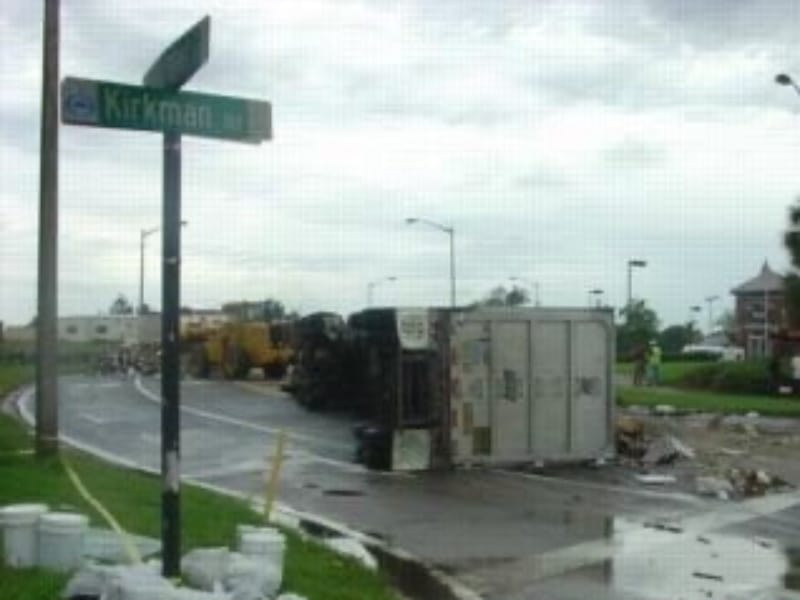
Photographs of vehicle positions and damage are stronger than a scene described from memory. Insurance adjusters, repair shops, and claim representatives often rely on reported facts, photos, police reports, and other records to understand what happened.
The paper trail built at an accident scene can also help limit confusion over when damage occurred. A complete record does not need to be complicated. It should simply capture the condition of the scene before it changes.
- A useful accident scene record should include:
- Photographs of all vehicle positions before anything is moved
- Close shots of every impact point on each vehicle involved
- The road surface, skid marks, and debris in the frame
- Traffic controls, lane markings, and signage visible at the scene
- The other driver’s name, license number, insurance carrier, and policy number
- Names and contact information for any witnesses
Three Records That Matter After the Crash
The Scene Photographs You Take Yourself
In an I-4 accident recovery situation, driver photographs are often the most immediate visual record of the crash. They exist before any report is written and before the vehicles are moved.
Phone photos taken in the first few minutes can capture details that are easy to forget later. Take wide shots first. Then take closer photos of damage, license plates, road conditions, and the surrounding area. Photographs from several angles tell a clearer story than one image from a single direction.
The Information Exchange at the Scene
Insurance information collected in person is often easier to use than information pulled from a report days later. Missing or unclear insurance details can delay the claim and complicate the repair timeline.
Collect the insurance card directly and photograph it alongside the license and registration. This helps avoid spelling errors, policy number mistakes, and lost notes. Also take a photo of the other vehicle’s license plate and vehicle identification number if it is visible and safe to access.
The Tow Details After Pickup
The tow itself becomes part of the accident timeline. We company may create a dispatch record, tow receipt, destination record, or other notes connected to the call. What is included can vary by company, call type, and situation.
Before the vehicle leaves the scene, ask where it is being taken and how you can get a copy of the tow receipt or call record. If the vehicle is going to a storage yard, repair shop, body shop, or insurance facility, confirm the destination before the operator leaves.
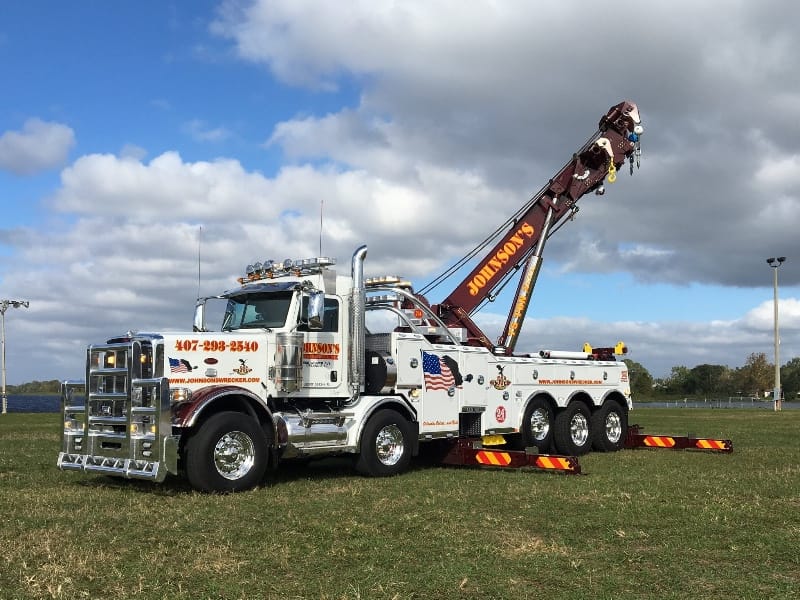
On an I-4 accident recovery call, Johnson’s Wrecker Service focuses on clear communication, proper loading, and getting the vehicle to the requested destination. Once the vehicle leaves the scene, knowing who moved it, when it was moved, and where it was taken can help keep the rest of the process organized.
Johnson’s Wrecker Service: Orlando’s Longest-Standing I-4 Accident Recovery Operation
Johnson’s Wrecker Service has handled I-4 accident recovery calls since 1967 as Orlando’s largest and oldest wrecker service. A family-owned operation since 1967, we bring decades of experience to accident scenes, breakdowns, and recovery calls across the area.
When you call for an I-4 accident recovery, tell our dispatcher where the vehicle is located, whether anyone is injured, whether law enforcement is on scene, and what you have already documented. Our I-4 accident recovery team will help move the vehicle from the scene and keep the recovery process as clear as possible. Call Johnson’s Wrecker Service any time for immediate dispatch.
FAQ
What if I cannot safely exit the vehicle to take photographs after a crash?
Stay inside the vehicle with your seatbelt fastened until it is safe to get out. If you are on a highway shoulder or in a live lane, wait for law enforcement before stepping out. If you can roll down a window, take photographs from inside the vehicle as a starting point. Scene photographs taken later are still useful, even if the initial window for ideal documentation has passed.
Does accepting a tow from the scene commit me to using a specific shop?
No. The tow destination is generally the vehicle owner’s choice within a reasonable distance. Be clear about the destination when you call, and confirm it with the operator when they arrive. In some cases, law enforcement may direct vehicles to a designated rotation lot, but the vehicle can usually be moved again once the initial impound period is complete.
How long after a crash can photographs still be useful?
Immediately after is best, but photographs taken within the first hour are still valuable if conditions have not changed dramatically. Once vehicles are moved, impounded, or cleaned, the scene record becomes harder to reconstruct. Even photographs taken on the same day hours later are more useful than relying on written accounts alone.
What happens to an accident vehicle at a tow yard before the insurance company inspects it?
The vehicle is typically secured in a designated area and not moved or repaired until the insurer assigns an adjuster and completes an inspection. Most tow companies will not release or repair a vehicle that is part of an active insurance claim without authorization from the appropriate parties. Knowing the storage location and having the operator’s condition report in hand speeds up the adjuster’s process.
Should I involve my own insurance company even if the other driver was at fault? Generally yes. Notifying your own insurer promptly protects your coverage and ensures you have an advocate managing the claim on your behalf. Your insurer can also assist if the at-fault driver’s insurance is unresponsive or disputed. The notification itself does not automatically affect your rates.
Can the tow operator’s condition report be used in a legal dispute over damage?
A condition report prepared by a certified tow operator is a contemporaneous third-party document that can establish the vehicle’s state at the time of pickup. Its admissibility in a specific legal context depends on the jurisdiction and the nature of the dispute, but it is a meaningful part of the record that supports the driver’s account of the damage.