What Happens Right After Impact
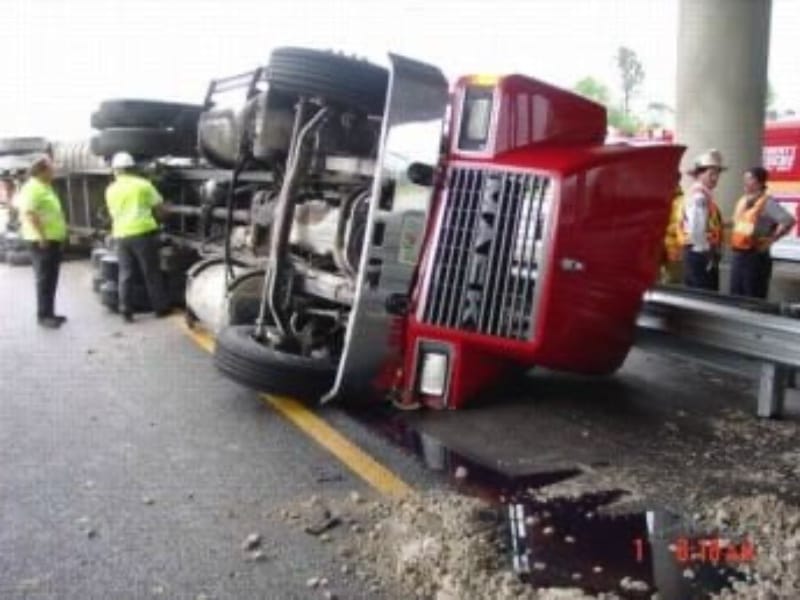
We get calls like this all the time: a jackknifed rig on I-4 near the Kirkman Road exit. The driver is shaken but unhurt. He’d already climbed out and is now standing on the shoulder in the dark. That’s usually the first mistake we see. After a semi accident, staying inside or getting to a truly safe spot is important. Safety comes first, always. Orlando semi towing crews like ours respond to these scenes constantly, and what happens in those first ten minutes often determines whether someone else gets hurt.
The moments right after a collision feel chaotic. Adrenaline kicks in. Drivers want to check the rig or move cargo. But the priority is always getting clear of traffic. On highways like the 408 or I-4, cars don’t slow down the way they should. We’ve seen secondary collisions happen while the first truck is still blocking lanes. If you can move the truck safely to the shoulder, do it. If not, stay inside with your seatbelt on until help arrives or you can reach a spot that’s actually protected from oncoming traffic.
Securing The Scene And Calling For Help
Once you’re in a safe location, the next step is getting the right people on the way. Call 911 first. Then call your company or dispatcher. Then call us. We are a towing service that handles commercial rigs. Orlando semi towing requires heavy equipment, and if you wait for the wrong truck to show up, you’re adding an hour to an already bad situation. We carry the rotators and underlift gear needed to move a Class 8 truck off a busy road without causing more damage.
While you’re waiting, set out triangles or flares if you have them and can do it without stepping into live lanes. Don’t assume other drivers see you. Visibility on Florida highways drops fast when it’s raining or still dark. We’ve worked plenty of scenes where a truck was sitting in the right lane for ten minutes before anyone even slowed down. If you don’t have reflective gear, stay in the cab. Your safety is more important than protecting the load or the equipment at that moment.
What Not To Do In The First Few Minutes
We see drivers make the same few mistakes over and over. One is trying to assess damage while standing in or near traffic. Another is moving the truck when it’s not drivable. A third is failing to document the scene before anything gets moved. Take photos if you can do it safely. Get shots of the vehicle, the road, any debris, and the position of other cars or trucks involved. Insurance companies and fleet managers need that information, and once a vehicle gets towed, the scene is gone.
Another common issue is not checking for fuel leaks or cargo spills. Diesel on the roadway is a hazard. So is anything that’s shifted or broken loose in the trailer. If you smell fuel or see fluid pooling, mention it to the 911 operator and to the tow crew when they arrive. Orlando semi towing often involves cleanup and containment, not just hauling the rig. We work with environmental response teams when needed, but we need to know what we’re dealing with before we start rigging chains.
Johnson’s Wrecker Handles Orlando Semi Towing With The Right Equipment And Experience
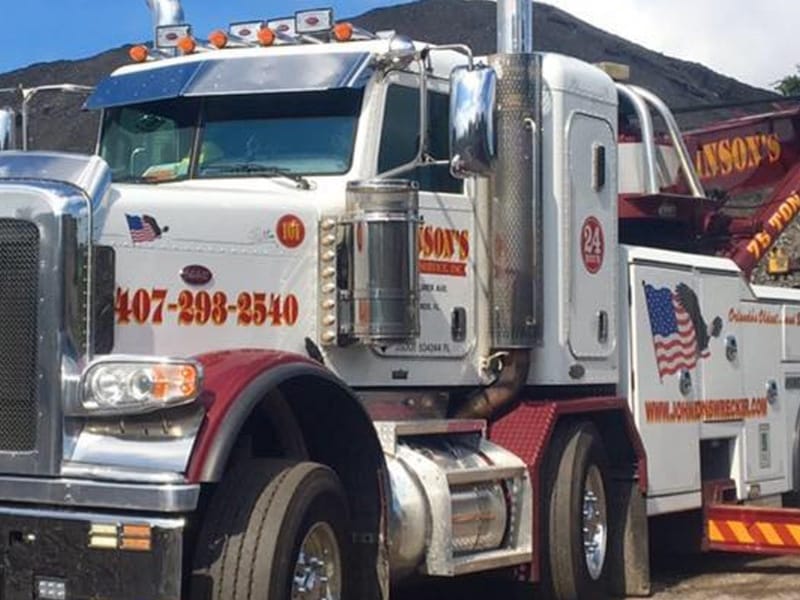
Or Orlando semi towing team has been responding to commercial truck accidents in the Orlando area since 1967. Our rotators and heavy wreckers are built for the kind of recoveries that happen on I-4, the Turnpike, and the 528. We also handle situations in tighter spots like the industrial areas off Orange Blossom Trail or near the airport, where clearance and access make a difference. When a semi goes down, we know how to stabilize it, move it, and get the road clear without making the damage worse.
Most of the Orlando semi towing calls we run involve either a collision or a mechanical failure that leaves the truck blocking traffic. Either way, the first ten minutes set the tone for how the rest of the recovery goes. If the driver stays safe, calls the right people, and doesn’t try to fix things that can’t be fixed on the side of the road, we can usually have the truck hooked and moving within an hour. The goal of Orlando semi towing is always the same: get everyone out of danger and get the highway open again.
FAQ
Stay inside if you’re in active lanes and the cab isn’t on fire or leaking fuel. If you can reach a protected shoulder or median, move there. Don’t stand in traffic.
Don’t try to drive it if you see fluid leaks, hear grinding, or notice steering problems. Moving a damaged rig can make things worse. Call for a tow and wait.
Response time depends on location and traffic. In the Orlando area, expect 20 to 45 minutes during normal conditions. Overnight or during rush hour, it may take longer.
Not usually. Most towing crews can handle a loaded trailer. If cargo has shifted or spilled, let the crew know so they can plan the recovery safely.
Give your exact location, the number of vehicles involved, whether anyone is injured, and if there’s fuel or cargo on the road. Mention if lanes are blocked.
Yes, but only if you can do it from a safe location. Don’t step into traffic to get better angles. Photos help with insurance claims and reports.