
Diesel Trucks Run Cleaner Than They Used To
Diesel engines have changed a great deal over the past two decades. Federal emissions rules pushed manufacturers to add new hardware to the exhaust system, and one part shows up on nearly every truck built since 2007: the diesel particulate filter, or DPF. We answer questions about it often on Orlando truck towing calls, often from drivers who just watched a warning light appear on their dash for the first time. Here is what that filter does and how it affects your route.
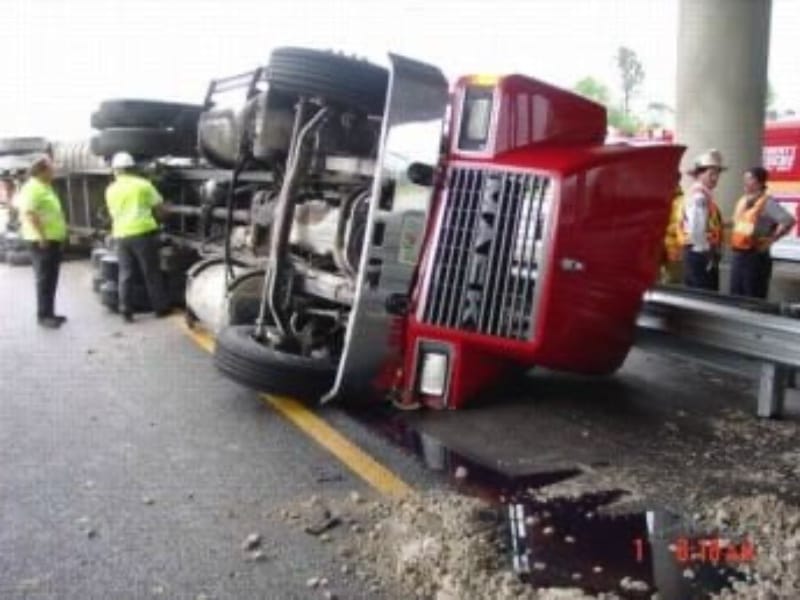
Crash Course in DPF
A DPF problem rarely comes out of nowhere. It builds slowly, gives warning signs along the way, and can often get caught before it turns into a roadside call. Local drivers and long-haul drivers both run into it eventually, so knowing how the system works gives you a head start before dashboard lights start blinking.
What a DPF Does Inside Your Exhaust System
The DPF sits in the exhaust path behind the engine and is built from a ceramic honeycomb structure packed with narrow channels. As exhaust gas passes through, soot and ash collect on the channel walls instead of leaving the tailpipe. That soot is a byproduct of burning diesel fuel, and federal rules required trucks to start capturing it beginning with the 2007 model year.
BUT: The filter cannot hold soot forever. Nope.
Once enough builds up, exhaust flow gets restricted and engine performance drops. To prevent that, the truck’s computer manages a process called regeneration, which burns off trapped soot at high temperatures and resets the filter. Most drivers never notice this happening, since it runs in the background of the vehicle during normal highway driving.
Warning Signs Worth Pulling Over For
Regeneration handles most soot buildup automatically, but certain driving patterns interfere with it. Short trips, heavy idling, and stop-and-go routes do not generate enough exhaust heat for the filter to clean itself, so soot keeps accumulating. Drivers who call us for Orlando truck towing after a sudden power drop mid-route often trace the problem back to exactly this pattern.
A few signs are worth watching for before things get worse:
- A dashboard warning light specifically for the DPF or emissions system
- Reduced power or a forced “derate” that limits speed and RPM
- Higher fuel consumption than usual
- Regeneration cycles that happen more often or take longer than normal
Catching these signs early is usually what keeps a clogged filter from turning into a call for emergency truck towing in Orlando.
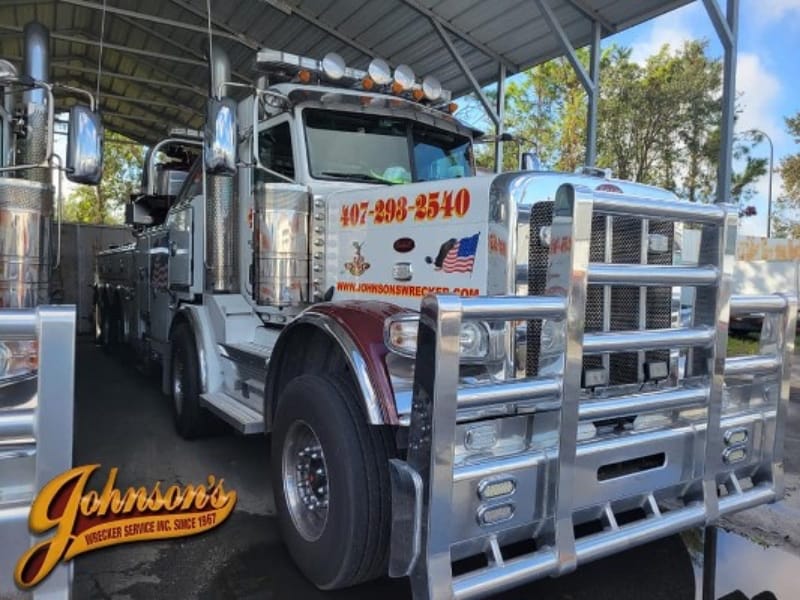
Johnson’s Wrecker Service: Orlando’s Trusted Name in Truck Towing
Johnson’s Wrecker Service has handled towing and recovery across Central Florida since 1967, which makes us the oldest and largest name in Orlando truck towing. Our president, Darrell Johnson Sr., helped found the Professional Wrecker Operations of Florida in 1971 and has spent decades helping shape the standards our industry follows today. That kind of experience is exactly what you want on your side when a DPF issue turns into a need for truck towing in Orlando.
We treat our team like family, and it shows in how carefully our drivers handle every call, from a stalled sedan to a fully loaded tractor-trailer. If your rig starts showing DPF warning lights on the highway, our crew responds with the same equipment and know-how that has made Johnson’s Wrecker Service the name Orlando drivers trust for truck towing. Reach out any time you need dependable truck towing in Orlando, and we will get you back on the road.
FAQs
Can a truck keep driving with the DPF warning light on?
It depends on the warning level and the truck’s condition. Continuing to drive while soot keeps accumulating can eventually lead to reduced engine power or a derate, so drivers should follow the manufacturer’s guidance for their truck.
What is a DPF regeneration?
Regeneration raises exhaust temperature to burn accumulated soot inside the filter. Many trucks perform this automatically during normal operation, although some conditions may require a parked regeneration.
Why does frequent idling cause DPF problems?
Long periods of idling can keep exhaust temperatures too low for effective regeneration. Over time, soot can accumulate faster than the system can remove it.
What does it mean when a diesel truck goes into derate?
A derate means the engine management system limits power, speed, or RPM after detecting certain problems. Severe emissions system issues can trigger this response and make it difficult to continue a trip normally.
Does highway driving help a diesel particulate filter?
Steady highway operation can create the exhaust temperatures needed for normal regeneration on many trucks. Exact regeneration requirements vary by engine and emissions system.
Can a completely clogged DPF leave a truck stranded?
A serious restriction or related emissions fault can reduce engine performance enough to interrupt a trip. If the truck cannot continue, it may need professional service and towing to an appropriate repair facility.